


 Recent Posts?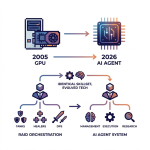

 Evergreen
World of Warcraft Taught Me Agentic AI
How World of Warcraft Taught Me Everything About Modern Agentic AI Development
From 40-man Molten Core raids to multi-agent orchestration: Same skills, evolved tech.
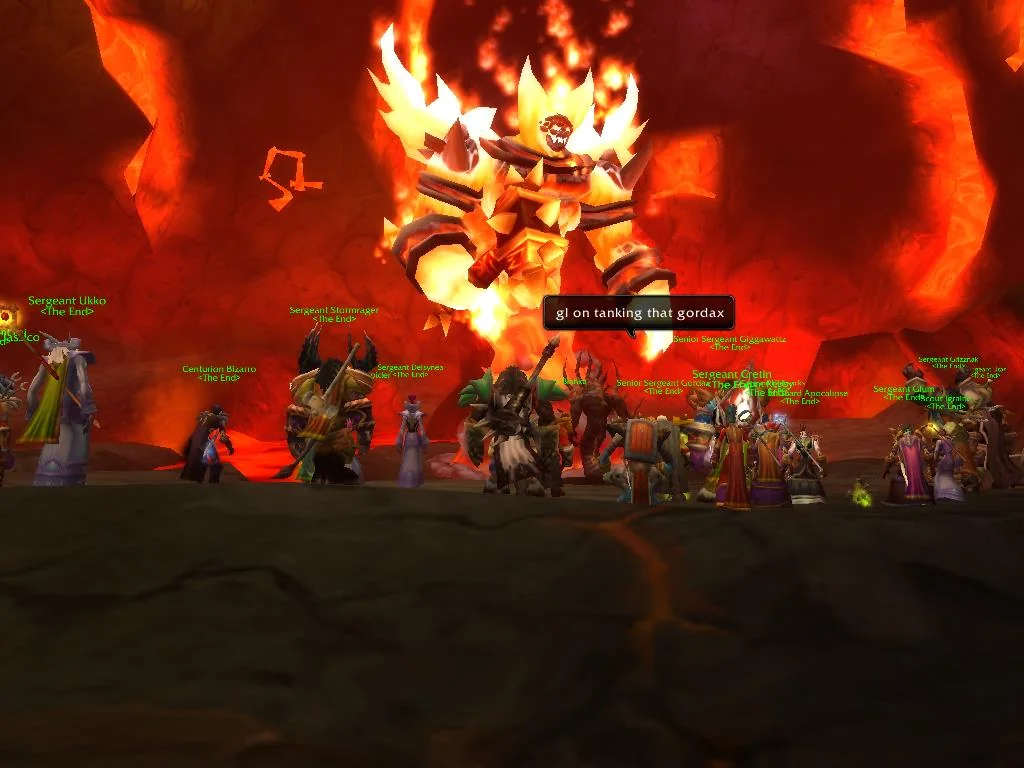
I spent thousands of hours in 2005 coordinating 40-person raids in World of Warcraft. Now I build agent systems that manage marketing operations autonomously.
The skillset? Identical. The technology? Light years ahead.
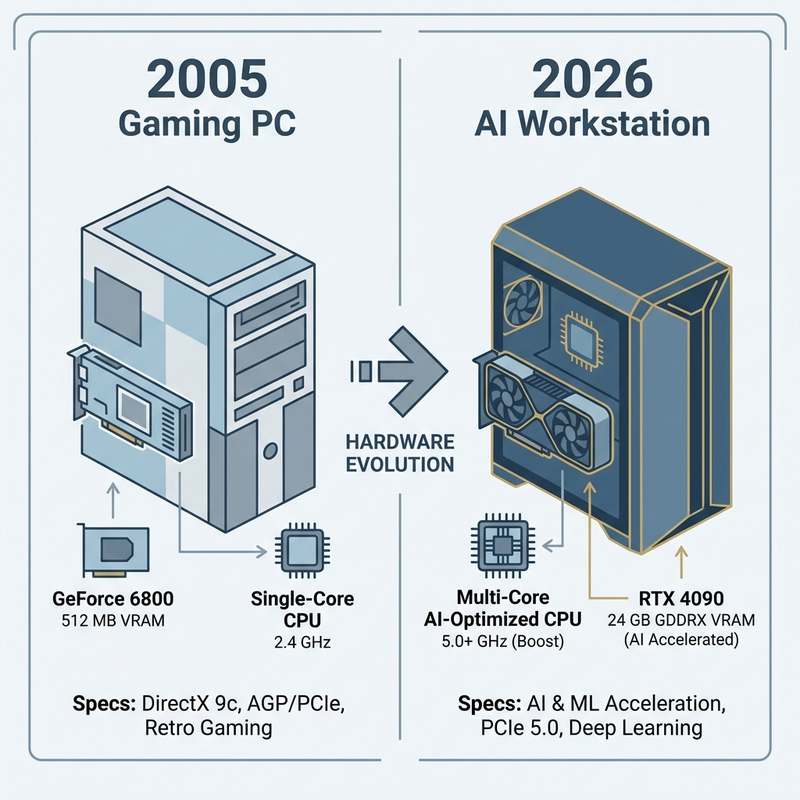
The GPU Connection: Gaming Rigs to AI Inference
2005: Building gaming PCs with GeForce 6800 Ultra cards to run WoW at max settings.
2026: Those same GPU architectures now power AI inference at scale.
Back then, I built rigs to render Molten Core boss encounters at 60 FPS. Now, those descendants (RTX 4090s, A100s) run inference for language models that execute marketing strategies.
The irony: I learned GPU architecture to play better. That knowledge directly translates to deploying AI agents efficiently.
40-Man Raids = Multi-Agent Orchestration
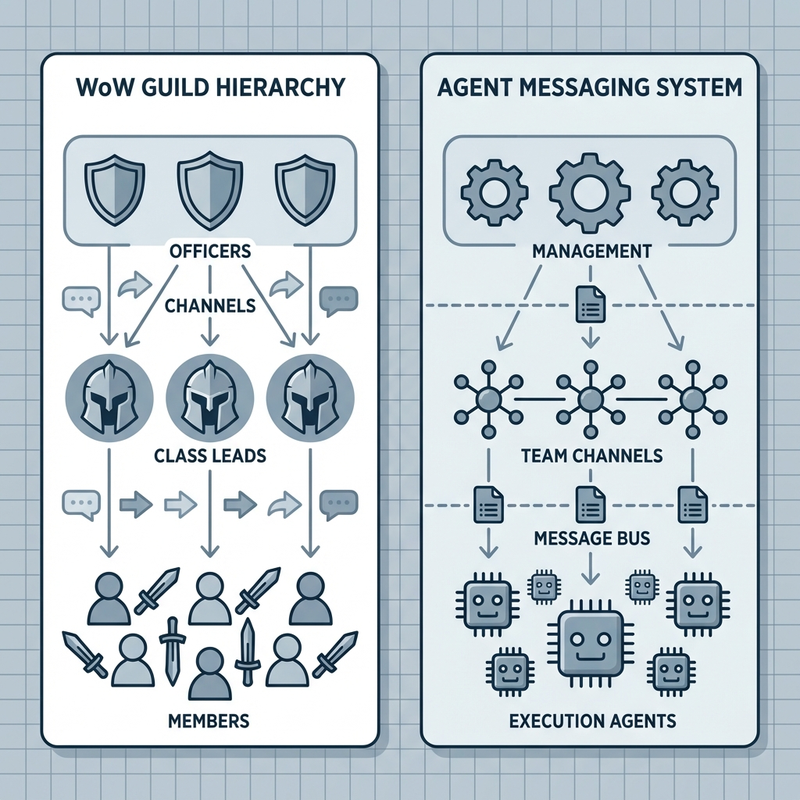
Running Molten Core was not just gaming. It was distributed systems management before I knew what distributed systems were.
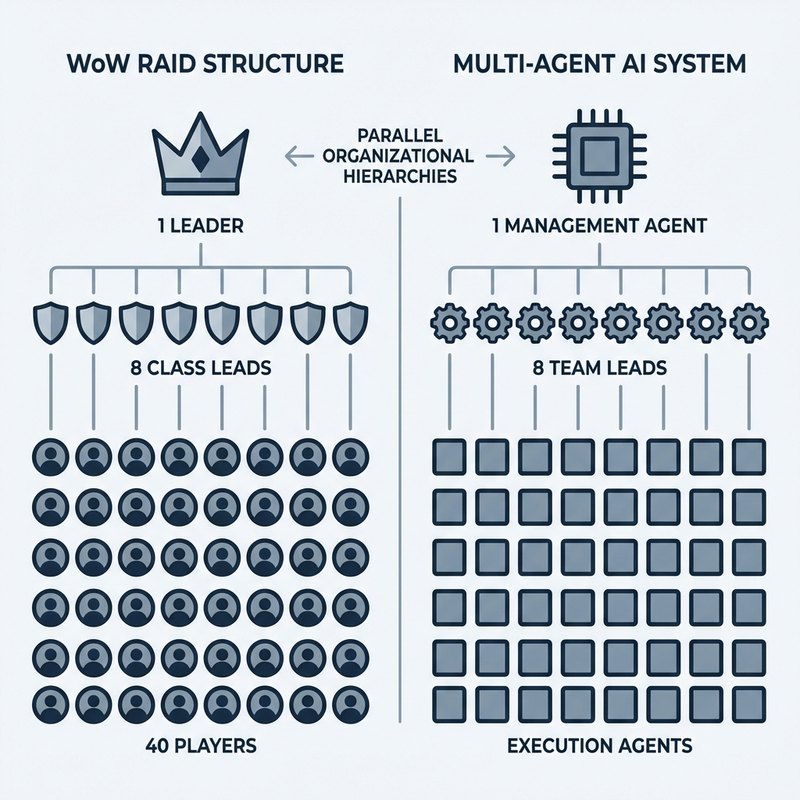
The Raid Structure:
- 1 Raid Leader (me)
- 8 Class Leads (managing healers, tanks, DPS)
- 40 Individual Players (executing specialized roles)
The Agent Structure:
- 1 Management Agent (orchestrator)
- 8 Team Lead Agents (Research, Content, Growth, etc.)
- Multiple Execution Agents (specialized tasks)
Same pyramid. Same coordination challenges. Same need for clear communication protocols.
Class Specialization = Agent Role Design
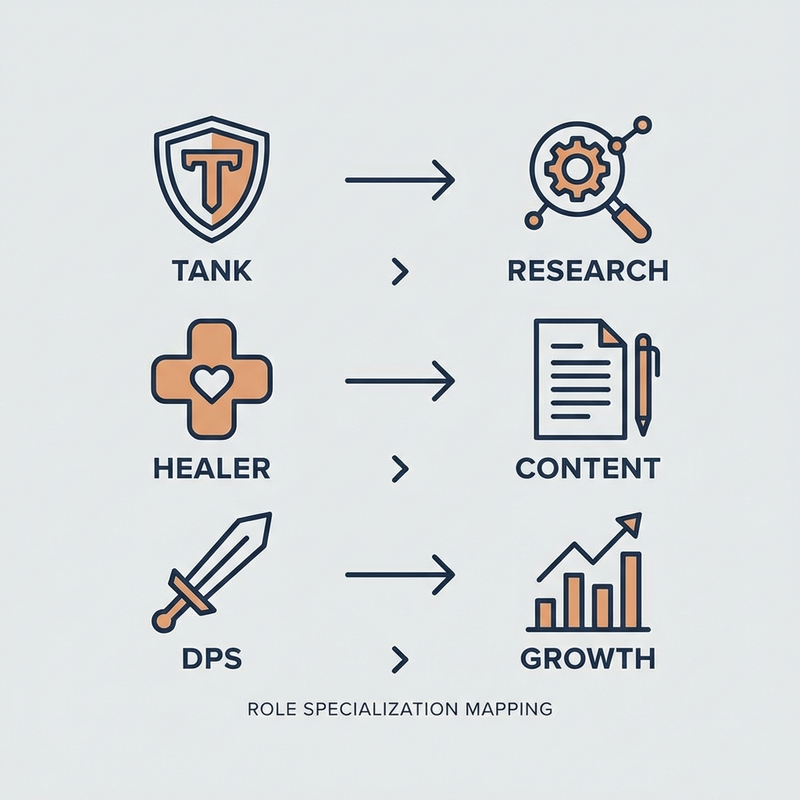
In WoW, you did not bring 40 identical characters. You brought:
- Tanks: Absorb damage, hold boss attention
- Healers: Keep tanks alive, manage resource depletion
- DPS: Execute damage rotations, handle mechanics
In agentic AI, you do not build generic agents. You build:
- Research Agents: Gather data, validate sources
- Content Agents: Generate copy, maintain voice
- Growth Agents: Execute outreach, track conversions
Same principle: Specialized units performing coordinated tasks toward a common goal.
The raid leader (me) did not micromanage every player. I managed class leads who managed their teams.
Now? Management agent coordinates team leads who coordinate execution agents.
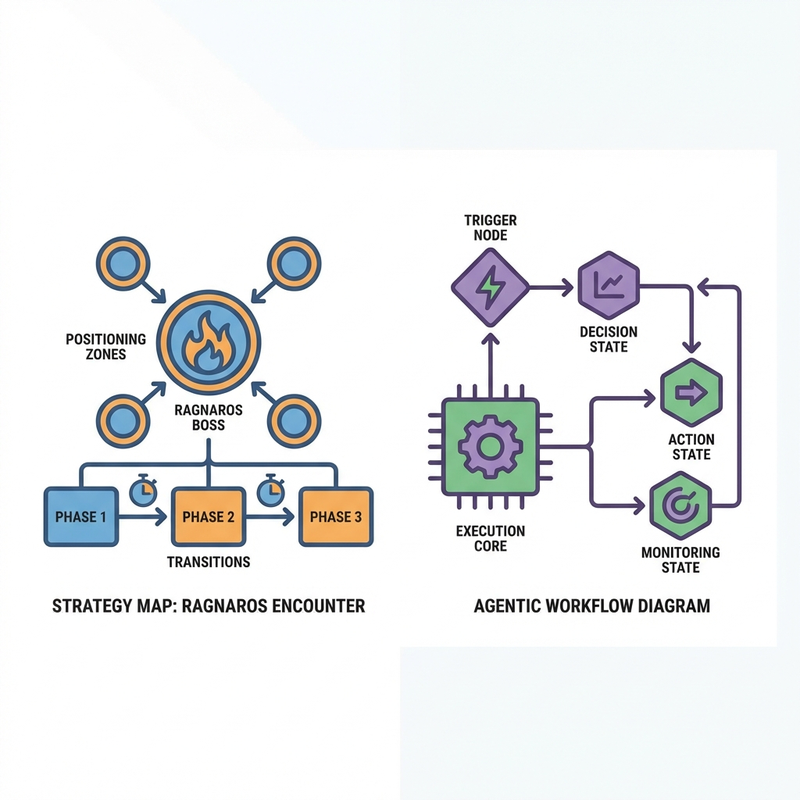
Raid Strategy = Workflow Design
Molten Core boss fights required documented strategies:
1. Pull sequence – Who engages first
2. Positioning – Where each group stands
3. Phase transitions – What changes when boss hits 50% HP
4. Interrupt rotation – Who handles spell interrupts
5. Loot priority – Resource allocation after success
Agentic workflows require identical documentation:
1. Trigger conditions – What initiates the workflow
2. Agent positioning – Which agents are available for tasks
3. State transitions – What happens when tasks complete
4. Error handling – Who addresses failures
5. Resource allocation – Compute and API budget distribution
We called them “boss strategies.” Now we call them “workflow diagrams.”
Add-ons and Macros = Agent Automation
WoW power users built:
- Healbot – Automated healing target selection
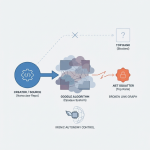
- Omen – Threat meter (who is about to die)
- Macros – One-button complex action sequences
Modern agent builders create:
- Auto-responders – Automated reply logic
- Monitoring dashboards – Task completion metrics
- Agent chains – Multi-step automated sequences
Same concept: Automate the repetitive so you can focus on strategy.
I wrote macros in 2005 so I could execute 5 actions with 1 keypress. Now I write agent workflows so 5 tasks execute from 1 trigger.
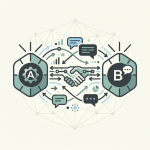
Guild Coordination = Cross-Channel Messaging
Running a 200-person guild required:
- Officer chat – Leadership coordination (like Slack, but in-game)
- Class channels – Specialized team communication
- Raid warnings – Broadcast critical info to everyone
- Whispers – Direct messages for sensitive topics
Running a multi-agent system requires:
- Management channel – Strategic coordination
- Team channels – Domain-specific agent groups (Research, Content, Growth)
- Broadcast messages – System-wide notifications
- Direct agent messaging – Task-specific instructions
We solved distributed team coordination in 2005 with WoW guild structure. That exact model powers modern agent orchestration.
The Coordination Lesson: Humans vs Agents
Managing 40 humans in WoW:
- People do not read raid chat
- Someone always stands in fire
- Repair bills after wipes
- Drama over loot distribution
- Players go AFK without warning
Managing 40 agents in 2026:
- Agents read every instruction
- Agents execute exactly as programmed (no fire standing)
- No repair bills (just API costs)
- No drama (deterministic behavior)
- Agents never AFK (until you turn them off)
The punchline: I spent 15 years managing humans in agencies. Now I manage agents. Way fewer repair bills.
Why This Matters for Marketing
Most marketers hiring “AI consultants” are getting prompt engineers who use ChatGPT.
I am offering raid leader expertise applied to agent orchestration.
The difference:
Prompt engineer: “I can write good prompts for AI tools.”
Raid leader turned agent builder: “I can design multi-agent systems where specialized agents coordinate autonomously, just like I coordinated 8 class leads managing 40 raiders to down Ragnaros.”
One is using tools. The other is building systems.
What You Get When You Hire a Former Raid Leader
Not someone who uses AI tools. Someone who builds AI systems using the same coordination skills that kept 40 people alive in Molten Core.
The deliverable:
- Multi-agent architecture (not single LLM calls)
- Specialized agent roles (not generic assistants)
- Cross-channel coordination (not isolated scripts)
- Resource-aware execution (not unlimited API burns)
- Documented workflows (not black boxes)
- Failure recovery (not hope-based debugging)
I managed 40 humans who could not follow instructions. Now I manage agents who execute.
Same coordination framework. Better execution layer.
From WOW were we wasting time to, who wasted time… now?
If you grew up gaming and now run marketing operations, you already understand agent orchestration better than most “AI experts.”
You know what distributed coordination looks like. You have done it. You just did it with humans in games instead of agents in workflows.
The skills transfer. The tech evolved.
And if you ever led raids in vanilla WoW? You are overqualified to build agentic marketing systems.
Because you have already done the hard part: managing a team of specialists toward a common goal while everything is on fire.
Except now, the agents do not stand in the fire.
Sources:
1) Ragnaros picture circa 2005
Recent Posts?